

Support for the gut offers a direct path to better general health and steady weight. A plain step is to place fermented food on the plate. Those foods carry live microbes that speed digestion plus support comfort day after day.
Below stands a list of ten fermented foods that help the gut and help keep weight steady.
Here are ten easy-to-find foods you can work into your daily meals:
Yogurt is probably the best-known fermented food out there. It’s just milk that’s been fermented with live cultures. The good bacteria in yogurt support both digestion and gut balance. Plus, it’s high in protein, which helps you stay full. Yogurt’s main benefits? Better digestion and more control over your appetite.
Pick plain yogurt with live cultures—skip the ones loaded with sugar. If you’re new to probiotic foods, yogurt is an easy place to start.
Kefir is a sour, pourable milk that ferments and contains more kinds of beneficial bacteria than yogurt.
The beverage supports intestinal health plus lowers inflammatory markers. Because the proteins are already broken down, many who react to standard milk tolerate kefir. Similar to other fermented products, it stabilizes the digestive tract.
A daily glass results in smoother intestinal transit and reduced abdominal distension.
Sauerkraut is just cabbage fermented with salt, but don’t let its simplicity fool you. It’s loaded with fiber and live bacteria. It’s good for digestion and brings along vitamins like C and K. Since sauerkraut is low in calories, it’s a smart pick for weight management. It also helps feed the good bacteria in your gut.
For the best results, go for raw, unpasteurized sauerkraut—the kind that’s kept in the refrigerated section. That way, you get the full benefits.
Kimchi is that spicy, tangy mix of fermented veggies—usually cabbage, with a bunch of vibrant seasonings. It’s not just full of bold flavor; it packs fiber, vitamins, and a crowd of good bacteria. People love it for how it helps with digestion, and if you eat it regularly, it tends to help with fat storage too.
Out of all the fermented foods out there, kimchi really stands out—not just because it tastes intense, but because it brings serious health perks. The variety of bacteria you get from kimchi just adds to the gut benefits you find in other foods.
Miso’s a fermented paste made from soybeans and salt. You’ll find it in soups and sauces, giving dishes a deep, savory kick. Besides supporting digestion, miso delivers a solid dose of plant-based protein. It’s a classic probiotic food that helps keep your gut bacteria balanced, as long as you don’t overdo it.
Just don’t boil miso—high heat kills off those live cultures, and you want to keep them around for the best long-term benefits.
Tempeh is another fermented soy product, but unlike miso, it’s firm and hearty—almost meaty. It’s loaded with protein and fiber, so it fills you up and supports your gut at the same time. As a meat alternative, tempeh is one of the best weight-loss meals. Thanks to its structure and nutrients, it’s one of the most satisfying probiotic foods you can add to your plate.
Not all pickles are created equal. The naturally fermented kind is packed with live bacteria, which help with digestion and ease bloating. They’re low in calories and still add a nice punch of flavor, making them a smart, weight-friendly snack.
If you’re building up your intake of fermented foods, natural pickles are a simple way to get more benefits without any fuss.
Kombucha is that fizzy, fermented tea everyone’s talking about. It brings beneficial bacteria and organic acids that support your digestion. Drink it in moderation, and it can even tame sugar cravings. Among all the trendy probiotic foods, kombucha feels the most refreshing.
Look for low-sugar options to enjoy all the perks without piling on extra calories.
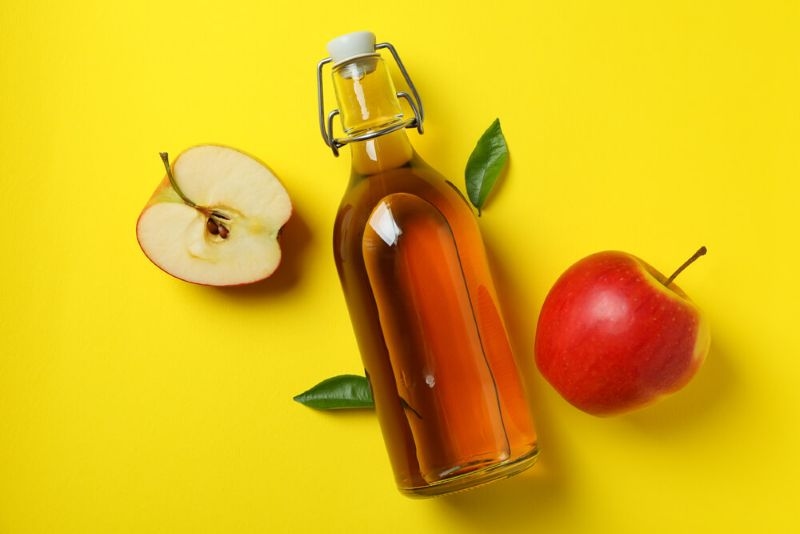
Raw apple cider vinegar is fermented and comes loaded with natural enzymes. Used right—usually diluted in water before meals—it helps with digestion and can curb your appetite. You don’t eat it like other fermented foods, but it still gives you useful bacteria.
It plays a real role in digestion, adding to the overall gut-balancing benefits of fermented foods.
Natto is probably the boldest of the bunch—a strong-smelling, sticky fermented soybean staple from Japan. It’s full of good bacteria and nutrients that support both your gut and your heart. Natto fills you up, so it helps with portion control, too. As far as traditional probiotic foods go, natto is powerful stuff.
Its special fermentation process amps up the benefits you get from other fermented foods.
Recommended Blog: Metabolism Myths That Still Confuse Healthy Bodies Today
Fermentation is just a natural process where good bacteria break down sugars and starches in food. This doesn’t just change the flavor—it fills your food with live microorganisms, and those little guys are what make probiotic foods so helpful.
A healthy gut does a lot: it helps you digest food, absorb nutrients, fight off germs, and even manage your appetite. There’s solid research showing that these foods can lead to better digestion and a healthier metabolism. When your gut is in good shape, managing your weight feels a lot more doable.
Your gut bacteria actually help decide how your body stores fat and uses energy. When you eat these foods, you raise the amount of good bacteria in your system. That means less bloating, fewer cravings, and smoother digestion. Most probiotic foods are low in calories and pretty filling, so they fit right into any weight-conscious routine.
Add just a serving or two a day, and you’ll probably notice better digestion and more energy after a while.
You don’t need to eat all ten of these foods every day. Just start by adding one serving of fermented food to your routine. Maybe yogurt at breakfast, sauerkraut with lunch, or a cup of miso soup at dinner—whatever fits.
What matters is sticking with it. Over time, you’ll really notice the difference, especially with digestion and keeping your weight in check.
Here are some of the common mistakes that you can avoid:
Don't Miss This: Intuitive Eating and Weight Loss for Total Food Freedom
Changing fermented foods such as these into your daily regimen is an easy, natural method to support the gut and also to help control your weight. They equally assist in balancing the digestive system, relieving bloating, and supporting the natural regulation of hunger.
Begin with a small amount, be consistent, and allow your gut to take over.
Depending on the individual, it is a good idea to eat fermented foods once or twice a day as part of a healthy diet.
Definitely, the list of fermented foods benefits includes better digestion as well as appetite regulation, thus, weight management can be a result.
Probiotic foods are generally considered safe for daily consumption; however, it is advisable to eat them in moderate quantities.
Yes, the regular consumption of these foods keeps the gut balanced and helps it, over time, to get rid of the bloating.
This content was created by AI